The Scientific Basis Of Ceremonial Cacao
An in-depth look at the chemical composition of cacao and how it affects your brain and body during a ceremony.

The Scientific Basis Of Ceremonial Cacao
Have you ever wondered why a simple cup of ceremonial cacao can create such profound shifts in your emotional state and consciousness? If you're like most people stepping into the world of plant medicine and transformative practices, you might be curious about what's actually happening in your brain when you drink this sacred beverage. While indigenous cultures have revered cacao as a heart-opening medicine for thousands of years, modern science is now catching up to explain the remarkable neurochemical dance that occurs within us.
Unlike regular chocolate or cocoa powder, ceremonial cacao contains a unique combination of naturally occurring compounds that work synergistically to alter your brain chemistry in gentle yet powerful ways. The two primary players in this biochemical symphony are theobromine – cacao's signature alkaloid that creates sustained energy and focus – and anandamide, often called the "bliss molecule," which activates the same receptors as cannabis but in a much subtler way. Understanding the science behind these compounds not only demystifies the cacao experience but also helps you approach your ceremonies with greater intention and safety.
In this deep dive into the scientific basis of ceremonial cacao, you'll discover exactly how these molecules interact with your nervous system, why cacao creates such distinct effects compared to other plant medicines, and what research reveals about its potential therapeutic benefits. Whether you're preparing for your first cacao ceremony or simply want to understand the 'why' behind the magic, this evidence-based exploration will give you the knowledge to navigate your journey with confidence and clarity.
Theobromine mechanism
Theobromine is the primary alkaloid that gives ceremonial cacao its unique energizing yet calming effects. Unlike caffeine, which creates jittery highs and crashes, theobromine works more gently on your nervous system. This compound makes up about 1-3% of raw cacao beans and is responsible for that sustained, heart-opening energy you feel during cacao ceremonies. Think of it as nature's perfect stimulant – it lifts you up without the anxiety that often comes with coffee.
How theobromine affects your body
When you drink ceremonial cacao, theobromine enters your bloodstream and begins working on several key systems:
- Cardiovascular system: Dilates blood vessels, improving circulation and creating that warm, tingly feeling
- Nervous system: Provides gentle stimulation without overstimulating the adrenal glands
- Respiratory system: Acts as a mild bronchodilator, helping you breathe more deeply
- Mood regulation: Works alongside other cacao compounds like anandamide to promote feelings of well-being
The science shows that theobromine has a much longer half-life than caffeine – staying active in your system for 6-8 hours compared to caffeine's 3-5 hours. This explains why ceremonial cacao provides sustained energy throughout a longer ritual or meditation practice, rather than a quick spike followed by a crash.
The synergistic effect
What makes ceremonial cacao truly special from a scientific perspective is how theobromine works together with other compounds naturally present in cacao. When combined with anandamide (often called the "bliss molecule"), phenylethylamine, and various flavonoids, theobromine creates what researchers call an "entourage effect." This means the whole plant medicine is greater than the sum of its parts – explaining why ceremonial cacao feels so different from simply taking isolated theobromine supplements.
Anandamide (bliss molecule)
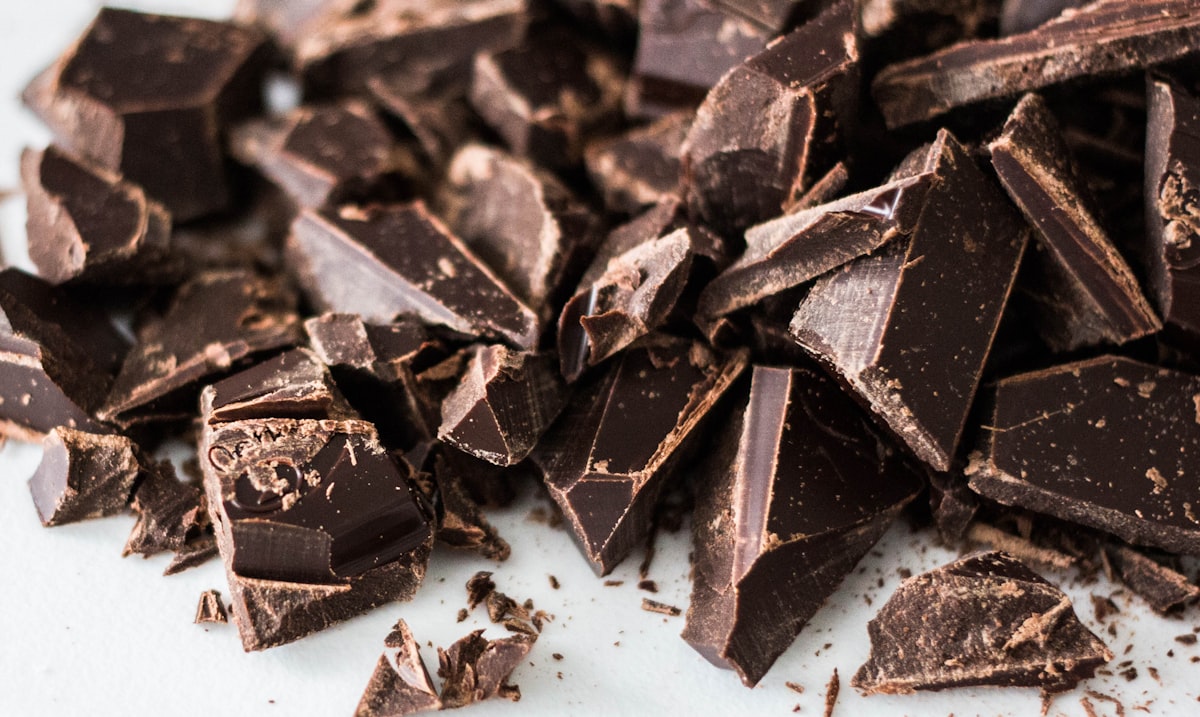
Ever wonder why ceremonial cacao makes you feel so blissful and connected? Meet anandamide, often called the "bliss molecule" – your body's natural happiness chemical. The fascinating science behind this compound explains why cacao has been considered sacred for thousands of years. Anandamide is an endocannabinoid that your brain produces naturally, and it's the same neurotransmitter that creates feelings of joy, peace, and emotional well-being.
Here's where the science gets really interesting: cacao doesn't just contain small amounts of anandamide itself, but it also contains compounds that prevent your body from breaking down the anandamide you naturally produce. Think of it like this – imagine your happiness levels as water in a bathtub. Normally, anandamide drains away quickly through an enzyme called FAAH. But the compounds in ceremonial cacao act like a partial drain plug, allowing your natural bliss to build up and last longer.
How anandamide enhances your cacao ceremony
During a cacao ceremony, this anandamide boost creates several noticeable effects:
- Enhanced emotional openness – You may feel more willing to explore difficult feelings or connect deeply with others
- Heightened present-moment awareness – Colors seem brighter, sounds richer, and you feel more grounded in your body
- Natural mood elevation – A gentle, sustained sense of well-being without artificial highs or crashes
- Increased creativity and intuition – Many people report breakthrough insights or creative inspiration
This is why theobromine and anandamide work so beautifully together in ceremonial cacao. While theobromine provides gentle, sustained energy for your heart and circulation, anandamide opens your emotional and spiritual receptivity – creating the perfect conditions for deep inner work and connection.
Neurotransmitter effects
When you drink ceremonial cacao, you're not just enjoying a delicious beverage – you're actually triggering a complex dance of brain chemicals that can profoundly shift your mental and emotional state. The science behind cacao's mood-enhancing properties lies in its ability to influence several key neurotransmitters, the chemical messengers that control everything from your happiness levels to your ability to focus and connect with others.
The star player here is anandamide, often called the "bliss molecule." Cacao naturally contains small amounts of anandamide, which is the same compound your brain produces when you're feeling joy, love, or that runner's high after exercise. Even more fascinating, cacao also contains compounds that prevent your body from breaking down anandamide too quickly, essentially extending those feelings of wellbeing and connection. This is why many people report feeling more open-hearted and emotionally available during cacao ceremonies – there's actual science backing up those sensations.
The happiness chemical cascade
Beyond anandamide, ceremonial cacao triggers the release of several other feel-good neurotransmitters:
- Serotonin – Often called the happiness neurotransmitter, increased serotonin levels can lift your mood and create feelings of contentment
- Dopamine – The motivation and reward chemical that helps you feel focused and accomplished
- Phenylethylamine (PEA) – Sometimes dubbed the "love chemical," this is the same compound your brain releases when you fall in love
This combination explains why drinking cacao before meditation, journaling, or creative work can feel so transformative. You're literally giving your brain the chemical building blocks for enhanced focus, emotional openness, and that sense of flow that makes ceremonial practices so powerful.
Scientific research and studies on cacao effects
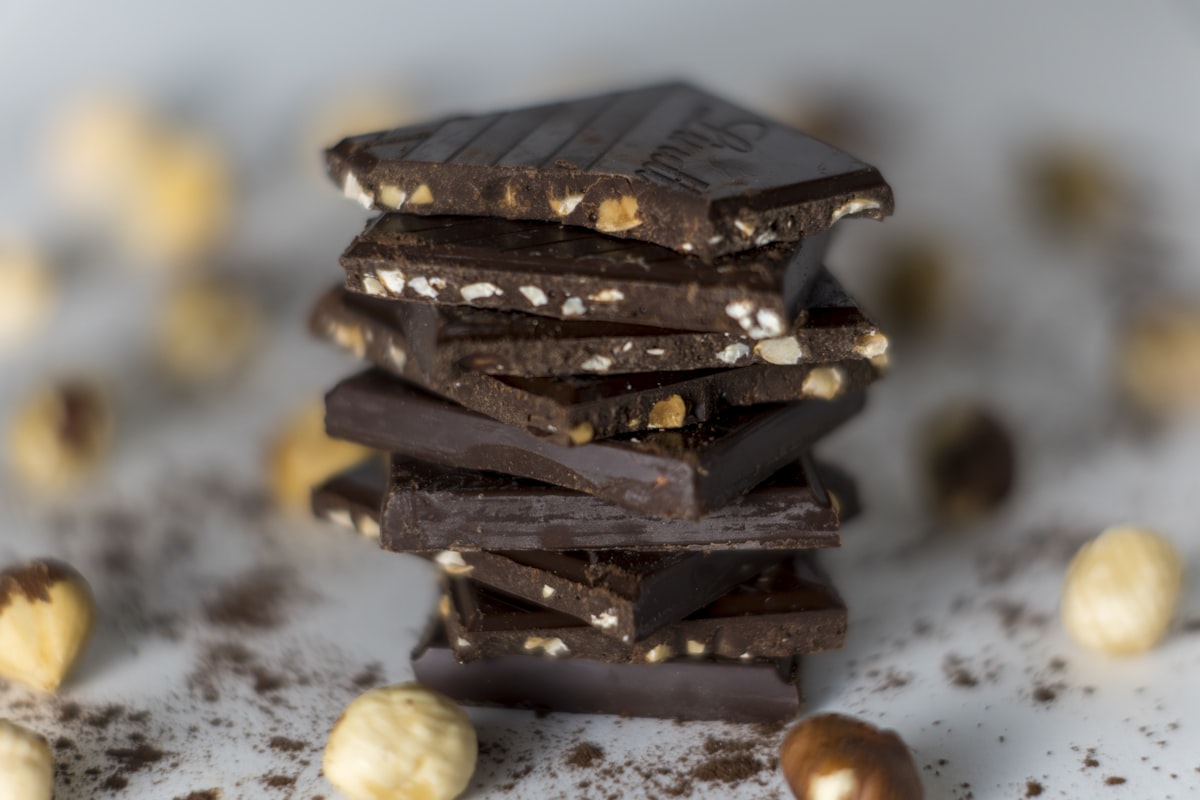
While indigenous cultures have understood cacao's profound effects for centuries, modern science is now catching up with fascinating research that validates what ceremony participants have long experienced. A groundbreaking 2013 study published in the Journal of Psychopharmacology found that participants who consumed high-flavanol cacao showed significant improvements in mood and cognitive performance compared to those given a placebo. The researchers noted increased calmness and contentedness – exactly what many describe feeling during ceremonial cacao experiences.
The neurochemical dance
What makes these scientific findings particularly exciting is how they explain the unique cocktail of compounds working together in ceremonial cacao. Research has identified that raw cacao contains over 300 chemical compounds, including the "bliss molecule" anandamide – the same neurotransmitter your brain produces when you feel love or joy. A 2019 study in Nutrients journal demonstrated that regular cacao consumption can actually increase anandamide levels in the brain, potentially explaining why people report feeling more open-hearted and emotionally connected during ceremonies.
Scientists have also discovered that the combination of theobromine, phenylethylamine (the "love chemical"), and various flavonoids creates what researchers call a "synergistic effect." This means these compounds work better together than they would individually – like a perfectly orchestrated symphony rather than solo performances. For example, while theobromine provides sustained energy, the flavonoids help protect your neurons and improve blood flow to the brain, enhancing the overall experience without overwhelming your system.
Ceremonial vs commercial cacao
The difference between ceremonial and commercial cacao isn't just marketing hype – there's real science behind why ceremonial cacao creates such different effects in your body. While your average chocolate bar might contain some theobromine, ceremonial cacao packs significantly higher concentrations of the active compounds that create those heart-opening, mood-lifting experiences.
Processing makes all the difference
Commercial chocolate undergoes heavy processing that strips away many of cacao's beneficial compounds. The beans are often roasted at high temperatures (sometimes over 300°F), alkalized with chemicals to reduce bitterness, and mixed with sugar, milk, and preservatives. This processing destroys delicate compounds like anandamide – your body's natural "bliss molecule" – and significantly reduces theobromine levels. In contrast, ceremonial cacao is minimally processed, with beans typically roasted at lower temperatures or sometimes not roasted at all, preserving the full spectrum of psychoactive compounds.
The compound concentration factor
Here's where the science gets interesting: ceremonial cacao contains 2-3 times more theobromine than commercial chocolate. A typical 1-ounce serving of ceremonial cacao delivers about 200-400mg of theobromine, while the same amount of milk chocolate contains only 60-100mg. This higher concentration explains why drinking ceremonial cacao creates sustained energy and emotional openness, while eating chocolate gives you a brief sugar rush followed by a crash. The preserved anandamide in ceremonial cacao also binds to the same receptors as cannabis compounds, creating feelings of euphoria and connection – effects you simply won't get from processed chocolate products.
Dosage and safety for ceremonial use

When it comes to ceremonial cacao, getting the dosage right is crucial for both safety and experience. A typical ceremonial dose ranges from 20-40 grams of pure cacao paste, which translates to about 200-400mg of theobromine. To put this in perspective, that's roughly equivalent to eating 2-4 squares of very dark chocolate, but in a much more concentrated, ritual setting. Most ceremony facilitators recommend starting with 20-25 grams (about 1 tablespoon of cacao paste) for your first experience, especially if you're sensitive to stimulants.
Understanding your limits
The beauty of cacao lies in its gentle nature, but it's still important to listen to your body. Unlike synthetic stimulants, the theobromine in ceremonial cacao works synergistically with anandamide – your body's natural "bliss molecule" – creating a heart-opening experience rather than a head rush. However, some people may experience mild side effects like increased heart rate, slight nausea, or emotional intensity. If you have heart conditions, take blood pressure medication, or are pregnant, it's wise to consult with a healthcare provider before participating in cacao ceremonies.
Consider these practical guidelines for safe ceremonial use:
- Start with smaller doses (15-20g) and gradually increase
- Avoid cacao ceremonies if you're taking antidepressants (particularly MAOIs)
- Don't consume cacao within 6 hours of bedtime due to its stimulating properties
- Stay hydrated and have light, easily digestible food beforehand
- Create a safe, comfortable environment for your ceremony
Remember, the science behind cacao shows us that more isn't always better – the goal is finding your sweet spot where the theobromine and other compounds can work their magic without overwhelming your system.
Practical Applications
Now that you understand the science behind theobromine and anandamide in ceremonial cacao, let's explore how to harness these benefits in your daily life. The key is finding the right dosage and timing to work with your body's natural chemistry rather than against it.
Optimal Dosing and Timing
For beginners, start with 20-30 grams of high-quality ceremonial cacao – roughly 2-3 tablespoons of cacao paste or powder. This amount provides enough theobromine (about 200-400mg) to feel the gentle energizing effects without overwhelming your system. Unlike your morning coffee ritual, cacao works best on a relatively empty stomach, allowing the active compounds to absorb more effectively. Try these practical approaches:
- Morning meditation: Drink cacao 30 minutes before your practice for enhanced focus and emotional openness
- Afternoon creativity boost: Use cacao around 2-3 PM when your natural energy dips, providing sustained focus without disrupting sleep
- Evening reflection: Smaller doses (15-20g) can support introspective journaling or gentle yoga without overstimulation
Creating Your Ceremonial Practice
The science shows us that cacao's anandamide content works synergistically with mindful consumption. Set aside 10-15 minutes to slowly sip your cacao while setting intentions or practicing breathing exercises. This isn't just spiritual fluff – the slower consumption allows your body to gradually process the theobromine, creating that signature gentle uplift rather than a sudden spike. Remember, ceremonial cacao is a tool for awareness, not a quick fix, so approach it with the same respect you'd give any potent natural medicine.
Conclusion
Now you understand the fascinating science behind ceremonial cacao's transformative effects. Theobromine, cacao's gentle yet powerful alkaloid, creates that unique combination of sustained energy and heart-opening calm that makes ceremonial cacao so different from your morning coffee. By working harmoniously with your cardiovascular, nervous, and respiratory systems, theobromine delivers nature's perfect balance – lifting your spirits and opening your awareness without the jittery crashes or anxiety that synthetic stimulants often bring.
Ready to experience the magic of ceremonial cacao for yourself? Start with a small dose of high-quality ceremonial cacao and pay attention to how your body responds to theobromine's gentle embrace. Notice the warm circulation, the deeper breathing, and that distinctive heart-centered energy that has made cacao ceremonies sacred for centuries. Your journey into the world of plant medicine doesn't have to be overwhelming – sometimes the most profound transformations begin with a simple cup of ancient wisdom.